
As we step into 2025, understanding the dynamics of Workers’ compensation insurance cost is more crucial than ever. The landscape of insurance is continuously evolving, influenced by numerous factors that affect pricing and availability. In this overview, we’ll explore the critical elements that determine the cost of workers’ compensation insurance, including legislative changes, regional variances, and opportunities for affiliate revenue that could shape the future of this essential coverage.
From examining the key variables influencing costs to comparing trends from previous years, this discussion aims to equip you with a comprehensive understanding of what to expect in 2025. Whether you’re a business owner or an insurance professional, this insight will prove valuable as you navigate the complexities of workers’ compensation.
Workers’ Compensation Insurance Cost Factors for 2025
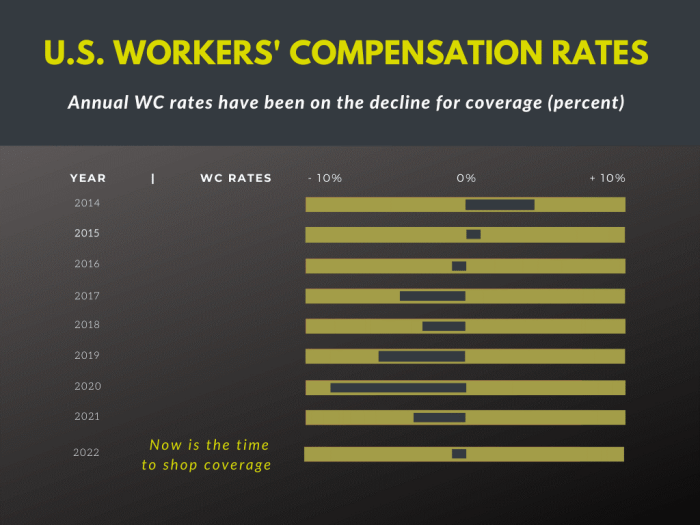
As the landscape of workers’ compensation insurance evolves, several factors come into play that significantly influence the costs for businesses in 2025. Understanding these variables is crucial for employers aiming to budget accurately and ensure they are adequately covered. This discussion delves into the primary cost determinants, compares the trends in insurance costs over previous years, and highlights regional differences that could affect premiums.
Variables Influencing Workers’ Compensation Insurance Costs
The costs associated with workers’ compensation insurance in 2025 are primarily influenced by multiple interrelated variables. Key factors include:
- Industry Classification: Different industries have varying levels of risk associated with their operations, which directly affects premiums. For example, construction and manufacturing industries tend to have higher rates compared to office-based businesses due to the increased likelihood of workplace injuries.
- Claims History: An employer’s history of claims plays a significant role in determining their insurance costs. Businesses with frequent or high-cost claims can expect to pay higher premiums as insurers assess them as higher risk.
- Employee Turnover Rates: High turnover can lead to increased training costs and a higher incidence of accidents, thereby influencing insurance costs. Conversely, stable workforces tend to have lower accident rates.
- Legislative Changes: Changes to workers’ compensation laws, including benefits and coverage requirements, can affect costs. In 2025, any new regulations could lead to adjustments in premium rates across various states.
- Economic Conditions: The overall economy plays a role in workers’ compensation insurance costs. Economic downturns can lead to higher unemployment, influencing the number of claims filed and the overall cost of claims.
Trends in Workers’ Compensation Insurance Costs
A comparison of workers’ compensation insurance costs over the past few years reveals notable trends leading up to 2025. Historically, there have been fluctuations in premiums due to market conditions, regulatory changes, and industry-specific developments. In the years leading to 2025, the trend shows a gradual increase in overall costs, driven by:
- Increased Medical Costs: Since medical expenses for workplace injury treatments continue to rise, insurers are adjusting premiums to cover these escalating costs.
- Technological Advancements: While technology can reduce accidents, the initial investment in safety technologies can lead to higher short-term costs that impact premiums.
- Increased Awareness of Mental Health: The growing recognition of mental health issues in the workplace has prompted insurers to incorporate broader coverage options, potentially increasing costs.
Regional Differences in Workers’ Compensation Insurance Costs
Regional variations in workers’ compensation insurance costs in 2025 are significant and can be attributed to differences in state regulations, economic conditions, and industry prevalence.
- State Regulations: Some states have more favorable laws for employers, resulting in lower premiums, while states with stringent requirements may see higher costs. For example, California is known for higher insurance costs due to its regulatory environment.
- Local Economic Conditions: Areas with higher costs of living or those that experience economic downturns might also face increased workers’ compensation costs as claims frequency and severity change.
- Industry Concentration: Regions heavily concentrated in high-risk industries, such as oil and gas or construction, often experience higher insurance costs than areas where low-risk industries, like retail or technology, dominate.
Impact of Legislative Changes on Workers’ Compensation Costs
Recent legislative changes have significantly altered the landscape of workers’ compensation insurance, affecting both employers and employees. As states continue to adapt their laws to emerging workplace realities, understanding these changes is crucial for predicting insurance costs in 2025. The evolving legal framework can introduce new obligations for employers while reshaping the cost structure of workers’ compensation policies.One of the most notable changes has been the increasing trend toward requiring coverage for a broader range of workplace injuries, including mental health conditions.
Additionally, some states are considering amendments to the way benefits are calculated, potentially increasing the overall costs of claims. These changes can lead to higher premiums for employers as insurance providers adjust their pricing strategies to accommodate the new risk profiles associated with these legislative shifts.
Recent Legislative Changes Affecting Workers’ Compensation Costs
Legislation passed in recent months has introduced various reforms that are likely to influence workers’ compensation costs moving forward. Key changes include:
- Expansion of Coverage: Several states have broadened the definition of compensable injuries to include mental health conditions, such as anxiety and depression, which can lead to increased claims and associated costs.
- Increased Benefits: Some states have approved increases in the maximum weekly wage benefits, ensuring that injured workers receive a more substantial portion of their income while recovering. This change raises the cost for employers as insurance premiums reflect these higher payout limits.
- Streamlined Claims Processes: Legislations aimed at expediting claims processing may reduce administrative costs but could also lead to higher claim frequency, impacting overall insurance pricing.
Expert opinions suggest that these legislative adjustments will significantly impact the pricing models used by insurance companies. For example, the National Association of Insurance Commissioners (NAIC) forecasts that states with expanded coverage will experience an influx of new claims, consequently driving up the premiums. Additionally, there may be disparities in how states implement these changes, leading to varied effects across the country.
“As states rethink workers’ compensation laws, employers must remain proactive in understanding and anticipating the financial implications of these changes.”
The ongoing evolution of workers’ compensation legislation presents both challenges and opportunities for businesses as they navigate the new regulatory landscape. Adapting to these changes will be essential for employers looking to manage their insurance costs effectively in 2025 and beyond.
Affiliate Revenue Opportunities in Workers’ Compensation
Exploring affiliate revenue in the workers’ compensation insurance arena presents a unique opportunity for financial growth. By partnering with insurance providers and leveraging various platforms, individuals and businesses can tap into a lucrative market while effectively promoting essential coverage options to employers and employees alike.Generating affiliate revenue through workers’ compensation insurance products can be strategically approached by focusing on niche markets and utilizing digital platforms.
The key is to align with reputable insurance providers that offer competitive rates and comprehensive coverage. This ensures that the products you promote are valuable to your audience, increasing the likelihood of conversions and earning potential.
Leveraging Online Platforms for Promotion
Promoting workers’ compensation insurance through online platforms can significantly enhance visibility and attract a broader audience. Effective strategies include:
1. Content Marketing
Create engaging blog posts, articles, and guides that highlight the importance of workers’ compensation insurance. For instance, a post detailing common workplace injuries and the corresponding benefits of having adequate coverage can attract readers and drive affiliate link clicks.
2. Social Media Engagement
Utilize platforms like LinkedIn, Facebook, and Twitter to share informative content related to workers’ compensation. Regularly posting updates, industry news, and tips can establish your credibility and encourage users to follow your affiliate links.
3. Email Marketing Campaigns
Build an email list targeting business owners and HR professionals. Send out newsletters that discuss the latest trends in workers’ compensation, alongside links to insurance options. Personalizing your emails can also improve engagement rates.
4. Affiliate Websites
Launch a dedicated website focused on insurance comparisons. Providing detailed reviews and comparisons of workers’ compensation insurance providers allows visitors to make informed decisions, leading to increased trust and higher conversion rates.
Incorporating Audio Streaming into Marketing Campaigns
Audio streaming can serve as a powerful tool in marketing campaigns related to workers’ compensation insurance. Strategies for leveraging this medium include:
Podcasts
Creating a podcast focusing on workplace safety, employee rights, and insurance insights can foster a dedicated listener base. Invite industry experts or share stories of businesses that successfully navigated claims processes. This not only educates listeners but also provides opportunities to include affiliate links in show notes.
Webinars
Hosting live webinars can engage potential clients directly. Discussing topics such as new legislative changes and their impact on workers’ compensation can attract business owners looking to stay informed. Promote affiliate products during the session to drive sales.
Audio Ads
Consider producing audio advertisements that can be aired on popular podcast platforms. Highlight the advantages of working with specific insurance providers, ensuring to include a clear call to action that directs listeners to your affiliate links.
“By effectively leveraging multiple platforms and engaging content formats, affiliate marketers can significantly enhance their revenue potential in the workers’ compensation insurance space.”
Final Summary
In conclusion, navigating the intricacies of Workers’ compensation insurance cost in 2025 reveals a landscape marked by change and opportunity. With an understanding of the influencing factors and the potential impact of legislative adjustments, stakeholders can make informed decisions. As we look to the future, staying abreast of these developments will be key to maximizing insurance benefits and minimizing costs.
Questions and Answers
What factors influence workers’ compensation insurance costs?
Factors include the industry type, claims history, the severity of injuries, and regional regulations.
How do legislative changes impact insurance costs?
Legislative changes can adjust benefit levels, affect claim processes, and lead to changes in premium rates.
What are some common regional differences in costs?
Costs can vary significantly based on state laws, risk levels associated with occupations, and local economic conditions.
How can businesses reduce their workers’ compensation costs?
Implementing safety programs, effective claim management, and regular employee training can help lower costs.
Are there affiliate opportunities within workers’ compensation?
Yes, businesses can promote insurance products and services online, potentially earning commissions through affiliate marketing.


