
Workers’ comp for mental health claims is an essential aspect of workplace safety and well-being that often goes overlooked. As mental health issues become increasingly recognized, it is crucial to understand how workers’ compensation can provide support and benefits for affected employees. This overview will explore the significance of mental health claims, the processes involved in filing them, and the broader impact on employees and workplace culture.
From the criteria for eligibility to the types of conditions that are covered, navigating the world of workers’ compensation for mental health can be complex. By shedding light on these essential aspects, we aim to empower individuals to seek the support they need while emphasizing the importance of mental health in the workplace.
Overview of Workers’ Compensation for Mental Health Claims
Workers’ compensation is a crucial safety net for employees experiencing work-related injuries or illnesses, including mental health claims. As the workforce continues to evolve, the acknowledgment and treatment of mental health within the workers’ compensation framework have gained significant traction. Mental health claims represent a vital aspect of this system, highlighting the importance of mental well-being in the workplace and ensuring employees receive the support they need to recover and thrive.Filing a mental health claim typically involves a structured process designed to assess the validity of the claim and determine eligibility for benefits.
This process often begins with an employee reporting their mental health concerns to a supervisor or human resources professional. The next step usually includes gathering necessary documentation, such as medical records and treatment history, to substantiate the claim. Employees may need to undergo evaluations by certified mental health professionals, who provide assessments that detail the extent of the mental health condition and its relation to workplace factors.
The claim then undergoes review by the workers’ compensation insurance company, which makes determinations about the benefits to be awarded.
Statistics on Mental Health Claims in the Workplace
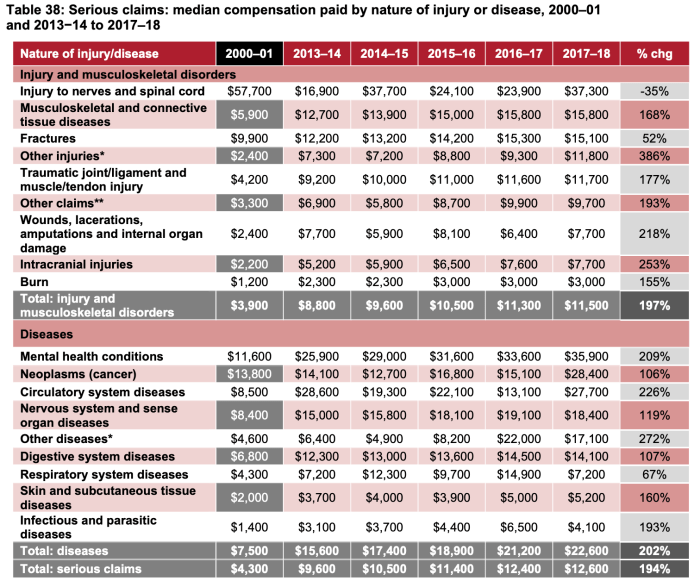
Understanding the prevalence and impact of mental health claims is essential for fostering a healthier work environment. Statistics reveal a concerning trend in the workplace, demonstrating the increasing need for mental health awareness and support.
- According to the National Safety Council, nearly 1 in 5 U.S. adults experience mental illness each year, translating to millions of employees affected in the workplace.
- The World Health Organization estimates that depression and anxiety alone cost the global economy $1 trillion annually in lost productivity.
- Data from the American Psychological Association indicates that organizations that prioritize mental health can see a return on investment of up to $4 for every $1 spent on mental health initiatives.
- A study by the National Institute for Occupational Safety and Health found that job stress is a major contributor to mental health issues, with 40% of workers reporting their jobs as highly stressful.
The implications of these statistics are profound, indicating that addressing mental health is not only a moral obligation but also a strategic business decision. By investing in mental health resources and support systems, organizations can significantly reduce turnover rates, improve employee morale, and enhance overall productivity.
“A healthy workplace is a productive workplace. Mental health matters not just for individuals but for the organization’s success as a whole.”
Eligibility and Requirements for Workers’ Comp Mental Health Claims
Workers’ compensation for mental health claims is designed to support employees who experience psychological distress due to workplace conditions or incidents. To qualify for such claims, certain eligibility criteria and requirements must be met, which ensure that legitimate cases are recognized and appropriately compensated.To determine eligibility for mental health claims under workers’ compensation, specific criteria are enforced. Typically, the claim must demonstrate that the mental health condition is directly related to work activities or incidents.
This relationship often includes conditions that arise from stress, trauma, or other negative experiences in the workplace.
Criteria for Qualifying for Mental Health Claims
The following essential factors are considered when assessing eligibility for mental health claims:
- The mental health condition must be diagnosed by a qualified mental health professional.
- The condition should be a result of work-related stressors, such as job-related trauma, harassment, or excessive workload.
- There must be a clear connection between the employment environment and the development or exacerbation of the mental health condition.
Types of Mental Health Conditions Covered
Various mental health conditions are recognized under workers’ compensation systems. These conditions include but are not limited to:
- Post-Traumatic Stress Disorder (PTSD)
-typically resulting from traumatic experiences at work. - Anxiety disorders – including generalized anxiety disorder, which can stem from workplace pressures.
- Depression – particularly when it is linked to work-related challenges or trauma.
- Adjustment disorders – responses to significant stressors that impair emotional functioning.
- Burnout – a state of physical and emotional exhaustion linked to chronic stress at work.
Common Documentation Needed to Support Mental Health Claims
Proper documentation is crucial to substantiate mental health claims. Individuals must gather comprehensive evidence to support their case, including:
- Medical records from a licensed mental health professional, demonstrating diagnosis and treatment history.
- A detailed description of the work environment and specific incidents that contributed to the mental health condition.
- Statements from coworkers or supervisors that corroborate the claims of workplace stressors.
- Any previous documentation related to employee performance or behavioral issues stemming from the mental health condition.
“Comprehensive documentation strengthens the validity of claims and facilitates the evaluation process.”
Accurate and thorough documentation not only bolsters the chances of a successful claim but also provides essential context for evaluators to understand the impact of the workplace on the individual’s mental health.
Related Aspects of Workers’ Compensation
In the evolving landscape of workers’ compensation, several related aspects are gaining traction, particularly regarding mental health claims. This section explores the potential for affiliate revenue through related services, the influence of digital platforms, and the utility of audio streaming for mental health education. Each aspect highlights the interconnectedness of these modern tools with the traditional systems of workers’ compensation.
Potential for Affiliate Revenue through Workers’ Compensation-Related Services
The workers’ compensation sector has significant opportunities for affiliate revenue through various related services. As businesses and individuals increasingly seek comprehensive support for mental health claims, partnering with service providers can create profitable revenue streams. Here are key areas to consider:
- Telehealth Services: With the rise of telemedicine, offering mental health services online can attract individuals seeking convenient care options. Partnering with telehealth platforms allows for profit-sharing models.
- Training and Workshops: Providing affiliate programs for mental health training courses aimed at employers can enhance workplace wellbeing while generating income.
- Legal Services: Collaborating with legal professionals specializing in workers’ compensation can lead to referral fees and enhance service offerings.
Impact of Internet and Auction Platforms on the Workers’ Compensation Industry
The advent of the internet and auction platforms has transformed the workers’ compensation industry, particularly in the context of how claims are processed and managed. The following points highlight this impact:
- Increased Accessibility: Claimants can access information and services online, streamlining the claims process and ensuring quicker resolutions.
- Comparative Platforms: Auction websites enable claimants to compare services, such as legal representation and healthcare options, fostering a competitive environment that can lower costs.
- Enhanced Research Capabilities: Individuals can easily find resources and testimonials about mental health services related to workers’ compensation, aiding informed decision-making.
Utilization of Audio Streaming Platforms for Mental Health Awareness
Audio streaming platforms represent a powerful medium for spreading awareness and education on mental health within the context of workers’ compensation. Various strategies can be employed to maximize this potential:
- Podcasts: Creating podcasts focused on mental health issues related to the workplace can provide valuable insights, featuring expert interviews and real-life success stories.
- Audiobooks: Publishing audiobooks that discuss workers’ compensation rights and mental health strategies enables claimants to learn on the go.
- Live Streaming Events: Hosting live Q&A sessions or discussions on audio platforms allows for direct interaction and engagement with audiences, providing immediate support and information.
Final Wrap-Up
In conclusion, addressing workers’ comp for mental health claims is vital for fostering a healthier workplace environment. It not only helps employees receive the necessary support but also contributes to a culture that prioritizes mental well-being. By understanding the processes and eligibility requirements, both employees and employers can work together to create a supportive atmosphere that acknowledges and addresses mental health challenges.
Question Bank
What types of mental health conditions are covered?
Common conditions include anxiety, depression, PTSD, and stress-related disorders.
How do I file a mental health claim?
You need to report your condition to your employer, seek medical evaluation, and submit the required documentation.
Is there a deadline for filing a claim?
Yes, deadlines vary by state, so it’s important to check your local regulations.
Can I receive treatment while my claim is pending?
Yes, you can seek treatment, but coverage for expenses may depend on your insurer’s policies.
Will my employer know about my mental health claim?
While your employer may be informed of the claim, your medical details should remain confidential.


